How responsibly sourced timber, recycled metals and low-VOC finishes are changing the way we build office furniture — without compromising durability or design.
Clients increasingly ask not only how a desk looks and feels, but where every component came from. That question has reshaped our supply chain, our finishing lines and the way we brief designers at the start of every collection.
1. Timber with a transparent trail
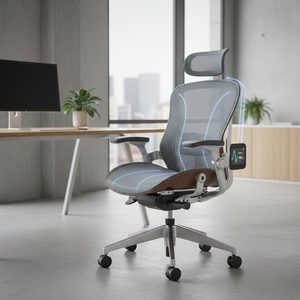
We partner with mills that certify chain-of-custody for every board. Reclaimed oak and FSC-certified walnut now sit alongside engineered panels that reclaim industrial offcuts, cutting virgin timber demand without sacrificing the warmth people expect in executive suites.
"Better furniture starts with better sourcing. If the material story is honest, the product earns trust before it ever reaches a showroom."
— Sofia Patel, Head of Sustainable Sourcing
2. Metals that come back around
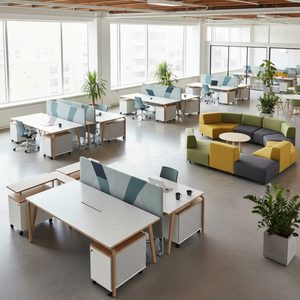
Recycled steel frames and aluminium legs meet the same load tests as virgin alloys. Powder-coat lines use low-VOC formulas that cure harder, age cleaner and keep indoor air quality in check for open-plan floors.
3. Finishes that age with the room
Natural oils and water-based lacquers let grain deepen over years of use. The goal is furniture that looks better at year five than on delivery day — and that never needs to be replaced for cosmetic reasons alone.
Sustainability is no longer a side collection. It is the default path from sketch to shipment — and the quiet reason our clients keep coming back for the next fit-out.