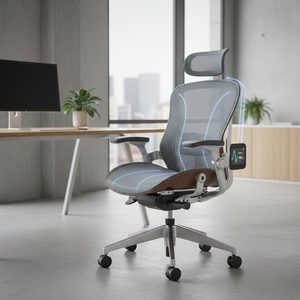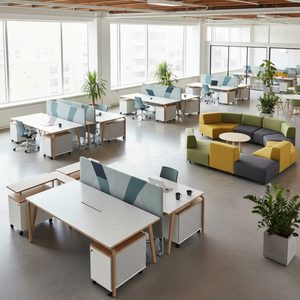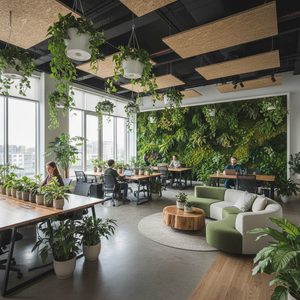
Natural materials, daylight and soft acoustics are reshaping how people feel — and focus — at work. Biophilic design is no longer a trend; it is a workplace standard.
People perform better when the room still feels connected to the outside world. That insight drives how we compose timber tones, soft greens, diffused light and quiet surfaces across desks, lounges and meeting rooms.
1. Material warmth as a daily cue
Real wood tops, woven textiles and matte stone accents lower visual stress compared with cold, high-gloss finishes. The office becomes a place people want to stay — not escape.
"When people can see the sky and feel natural materials under their hands, meetings shorten and ideas get clearer."
— Brand Aid Workplace Studio
2. Acoustic calm without dead rooms
Felt panels, soft seating and layered surfaces absorb chatter while keeping energy in collaborative zones. Focus rooms stay crisp; open floors stay sociable.
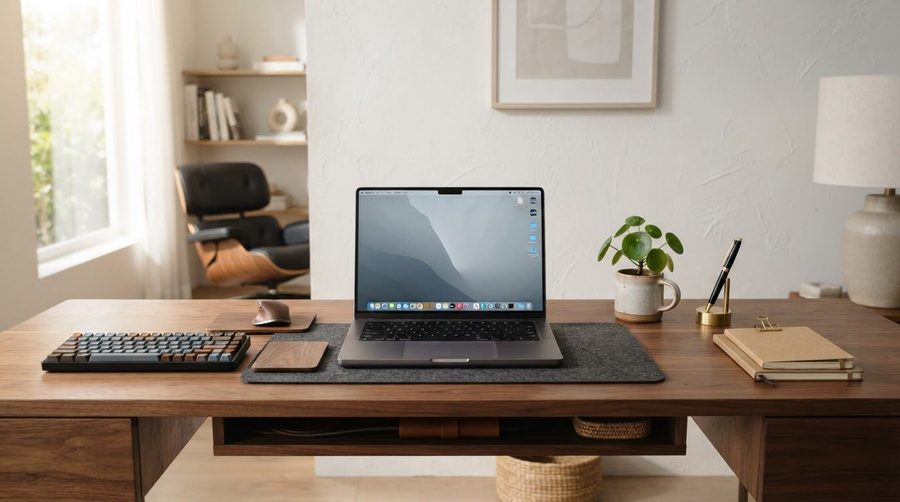
3. Furniture that frames nature
Low storage, open legs and glass partitions keep sightlines to plants, windows and daylight. Biophilia is as much about what you do not block as what you add.
Wellbeing is measurable in fewer distractions and longer, healthier focus. Biophilic furniture is one of the simplest ways to design that outcome into the room.