From dynamic lumbar support to posture-aware materials, the next wave of seating puts healthy movement at the centre of every workday.
Static chairs taught people to sit still. Modern work asks them to shift, lean, stand and return — often in the same hour. Our seating research now starts with that rhythm, not with a fixed upright ideal.
1. Support that follows you
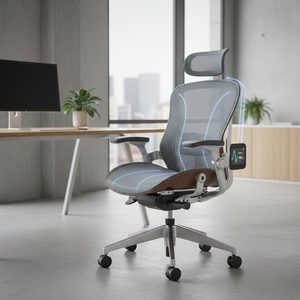
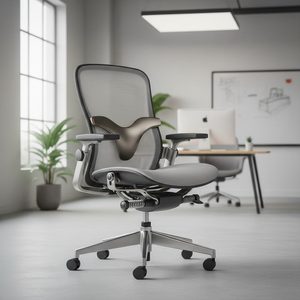
Synchronised mechanisms and adaptive lumbar pads respond as weight shifts forward for typing or back for a call. The chair should disappear into the task, not demand constant micro-adjustments.
"Every chair should support better posture, longer focus and healthier movement throughout the workday — that is the brief we never rewrite."
— Elena Rossi, Lead Ergonomic Researcher
2. Materials that breathe and rebound
Open-cell foams, knitted backs and soft-touch arm pads reduce pressure points during long sessions. We test every prototype through multi-hour sit cycles before it enters the catalogue.

3. Design that still feels premium
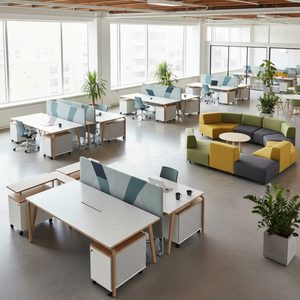
Ergonomics does not mean clinical. Walnut shells, tailored upholstery and quiet castors keep executive and collaborative spaces looking intentional while the engineering does the invisible work.
The next generation of office seating will feel less like equipment and more like a trusted partner for how people actually work.